
Pakistan bans hard-line TLP after deadly clashes
ISLAMABAD — Pakistan has banned the hard-line Tehreek-e-Labbaik Pakistan (TLP) as a proscribed organization after recent deadly clashes between the group’s supporters and police in several cities, officials said. The move, taken under the country’s anti-terrorism laws, follows days of violent demonstrations that disrupted traffic, damaged property and left casualties among both security forces and protesters.
Government action and legal basis
The Interior Ministry moved to designate TLP a proscribed outfit under the Anti-Terrorism Act, 1997, a step that empowers authorities to freeze the party’s assets, block its funding streams and detain key organizers. The decision, approved at the federal level, also bars the group from public fundraising, organizing rallies and operating under its current name.
Officials said the ban was imposed to restore public order and prevent further violence after TLP-organized demonstrations escalated into confrontations with law enforcement. The government’s notification cited threats to public safety and national security as grounds for the designation. Security has since been tightened around government buildings and key intersections in major urban centers, including Lahore and Karachi, to deter renewed unrest.
Clashes and casualties bn
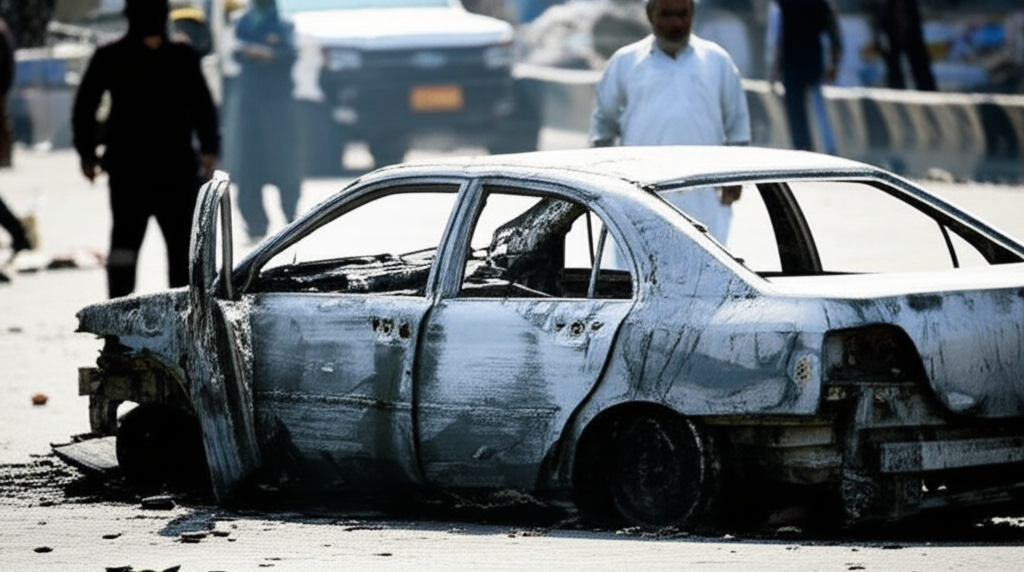
Authorities reported that the latest wave of protests turned deadly when demonstrators blocked roads and hurled projectiles at police, who responded with tear gas and baton charges to disperse crowds. Several people were killed in the confrontations, with police officers among the casualties, and many more were injured. Dozens of protesters were detained during the operations, according to officials. Road closures and scattered violence temporarily disrupted public transport and commercial activity in affected areas.
Police said they acted to clear highways and reopen access to hospitals and emergency services after blockades impeded traffic in dense urban corridors. Paramilitary personnel were also deployed to support local police and secure sensitive sites amid concerns about further escalation.
About Tehreek-e-Labbaik Pakistan
TLP, a religious political movement that rose to prominence over the past decade, is known for large, disruptive street protests and sit-ins centered on blasphemy-related issues. The party has repeatedly mobilized supporters over perceived offenses against Islamic sensibilities, including rallies demanding the expulsion of foreign envoys and the strict enforcement of Pakistan’s blasphemy laws.
The group was previously banned in 2021 under the same anti-terrorism framework following violent nationwide demonstrations. That prohibition was later lifted after negotiations with the government, allowing TLP to resume political activities and participate in subsequent elections. The latest designation returns the party to the proscribed list and sharply curtails its ability to operate.
Political and security implications
The ban underscores the government’s stated resolve to prevent street mobilizations from spiraling into prolonged shutdowns or widespread violence. By invoking the Anti-Terrorism Act, authorities have a broader legal basis to pursue organizers, restrict financing and shut down affiliated media or social outreach channels. Analysts say the move also signals a tougher line against groups that challenge state authority through mass agitation, particularly in Pakistan’s largest province, Punjab, where TLP has a significant base.
Election authorities are expected to review the party’s status in light of the designation, a process that could affect any remaining formal political activities. Law enforcement agencies have been instructed to maintain heightened vigilance at religious gathering points and to monitor online calls for demonstrations. The Interior Ministry has cautioned that any attempt to regroup under new banners could draw additional legal action.
Background and next steps
Pakistan has grappled with periodic eruptions of religiously charged protests that strain public services and pose logistical and security challenges for authorities. The latest unrest prompted renewed debate over how to balance public order with political expression when demonstrations tip into violence. Officials said investigations are underway to identify those responsible for organizing and financing recent clashes, with further arrests likely.
With the ban in force, the government’s immediate focus is on preventing fresh street action and stabilizing affected neighborhoods. Police have urged residents to avoid protest areas and report suspicious activity. Authorities say they will reassess the security posture in major cities in the coming days and adjust deployments according to the threat environment.
As the designation takes effect, attention will turn to the legal process that accompanies proscription, including notifications to financial institutions and coordination with provincial administrations for enforcement. The government has indicated it will not tolerate attempts to disrupt public life, framing the ban as necessary to protect citizens and uphold the rule of law following the deadly clashes.