
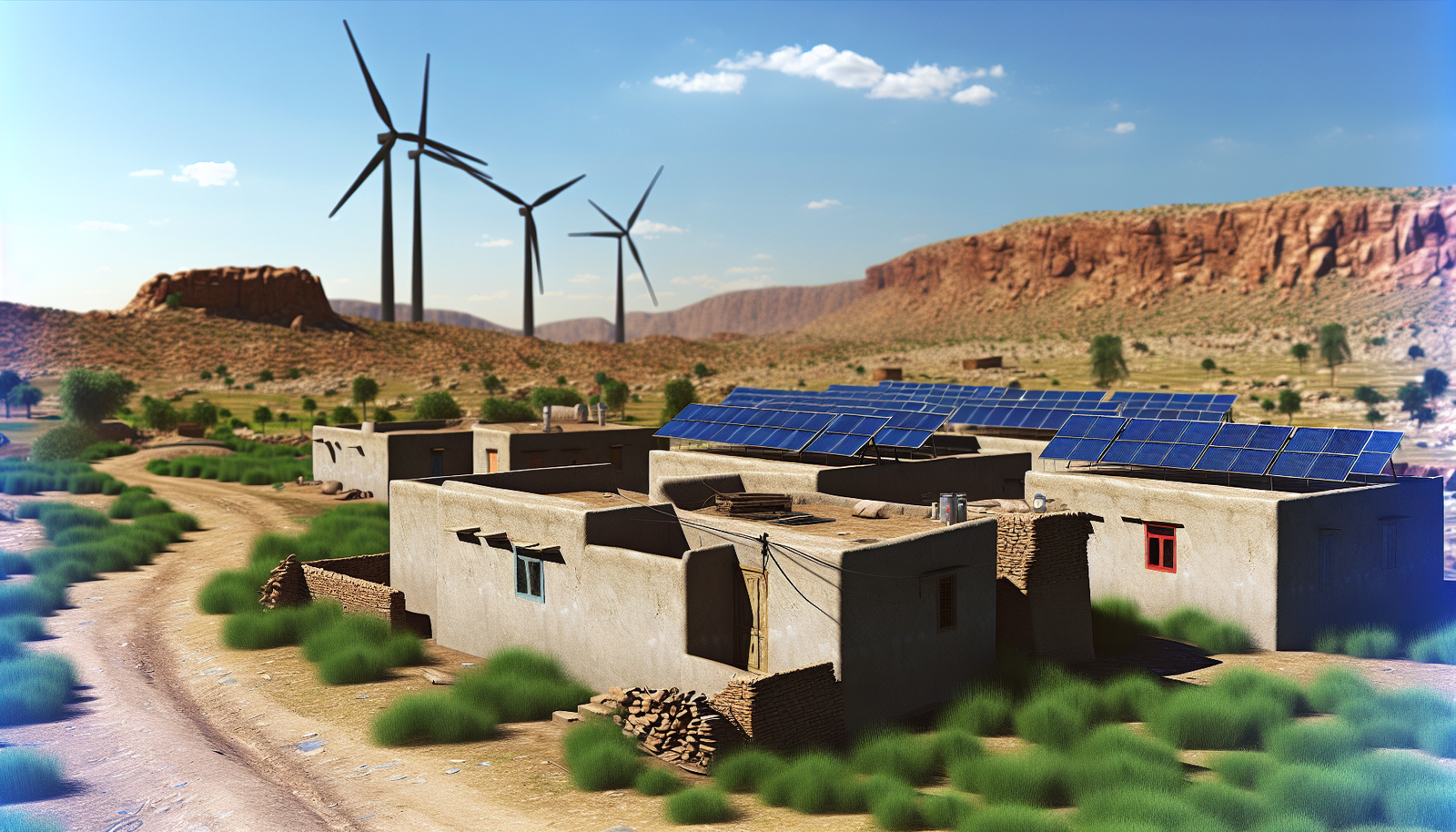
Pakistan’s power conversation is shifting from short-term fixes to durable solutions. What will move the needle fastest for reliable, affordable electricity? Distributed solar is no longer fringe; it’s becoming a practical choice alongside wind energy and efficiency. In this overview of renewable energy Pakistan, we map the policy tools shaping adoption and the on-the-ground steps households and businesses can take.
Renewable energy Pakistan: how policy works
Energy policy sets stable rules for private investment. Key instruments include net metering regulations administered by the national regulator (such as NEPRA), transparent procurement for utility-scale solar power and wind energy, and clear interconnection standards through local distribution companies (DISCOs) such as LESCO, IESCO, and KE in Karachi.
Try this: If you plan a project, start by checking your DISCO’s interconnection guidelines and application timelines; knowing the forms and meter specifications can save weeks later.
Net metering: from meter to monthly credits
Net metering allows customers to export surplus solar power to the grid and receive bill credits. In practice, households in Lahore, Islamabad, and Karachi install rooftop systems sized to daytime loads, add a bidirectional meter, and apply through their DISCO or KE for approval under regulator-defined rules. Photovoltaic (PV) panels convert sunlight into electricity, which an inverter synchronizes with the grid.
- Assess your site and 12-month load profile to right-size the system.
- Select certified components and an accredited installer.
- File the interconnection application and schedule meter installation with your DISCO.
Consider this: Before sizing, note seasonal peaks, shading patterns, and discuss inverter capacity, surge protection, and warranty terms with your installer.
Tax and tariff incentives: lowering entry barriers
Equipment duties and sales tax policies influence upfront cost, while tariff structures (such as time-of-use billing) shape payback. Clarity around approved components, quality standards, and import procedures reduces delays and encourages compliant, safer installations—whether for homes, SMEs, or industrial rooftops in hubs like Faisalabad.
Try this: Ask suppliers to itemize taxes and fees, confirm component certifications, and compare lifetime costs—panels, inverters, mounting, and O&M—across at least three quotes.
Socioeconomic benefits across Pakistan
Renewables diversify supply, reduce exposure to imported fuel price swings, and can improve air quality in fast-growing cities. Growing local assembly, installation, and maintenance work creates skilled jobs from Karachi’s port-adjacent zones to smaller towns in KP and Balochistan. Community-scale systems can also extend reliable service to underserved areas where grid upgrades are in progress.
Consider that: Technical training—solar site assessment, safe wiring, and O&M—builds employability. Vocational institutes and short industry courses offer practical entry points for young technicians.
A confident path to energy security
With declining costs for panels and inverters, better grid codes, and maturing finance models, Pakistan can steadily increase the share of solar power and wind energy while improving grid stability. Progress depends on predictable rules, timely interconnections, and data-led planning for storage and transmission upgrades across provinces.
Try this: For homes and SMEs, start with an energy audit—LEDs, efficient motors, and power-factor correction—then size solar to the new, lower load. For larger sites, explore hybrid systems that pair solar with batteries or existing generators to smooth peak hours and outages.
In sum, renewable energy Pakistan is moving from concept to practical execution. Consistent policy, informed consumers, and skilled installers can together advance energy security in a balanced, affordable way.
test comment
again test