
Pakistan claims 200 Taliban killed as border flares
Pakistan and Afghanistan reported deadly cross-border clashes in recent days along their shared frontier, with both sides announcing sharply conflicting casualty figures. Pakistan said its forces killed as many as 200 Taliban fighters, while Afghan authorities claimed dozens of Pakistani soldiers were killed, according to reports by the Washington Post and the Times of India.
Rival claims of heavy casualties
The Washington Post reported that both Afghanistan and Pakistan “claim to kill dozens of soldiers” in a border clash, underscoring the intensity of the latest exchange. In live updates, the Times of India said Pakistani authorities claimed 200 Taliban fighters were killed as hostilities escalated. Neither claim could be independently verified, and both governments provided limited details on the locations and timing of the reported engagements.
Officials on each side accused the other of initiating fire and escalating the confrontation. Afghan authorities described the incident as cross-border shelling by Pakistan, while Pakistani officials said their forces returned fire after being attacked from across the frontier. The accounts could not be reconciled, and no neutral casualty figures were immediately available.
Escalating tensions along the frontier
The latest reports point to a fresh surge in tensions along the Pakistan-Afghanistan border, a volatile stretch that has witnessed periodic flare-ups in recent years. Pakistan has long maintained that militant groups use sanctuaries inside Afghanistan to launch attacks on Pakistani soil, a charge Kabul’s Taliban-led government denies. Afghan authorities, in turn, have repeatedly condemned what they describe as cross-border strikes by Pakistan.
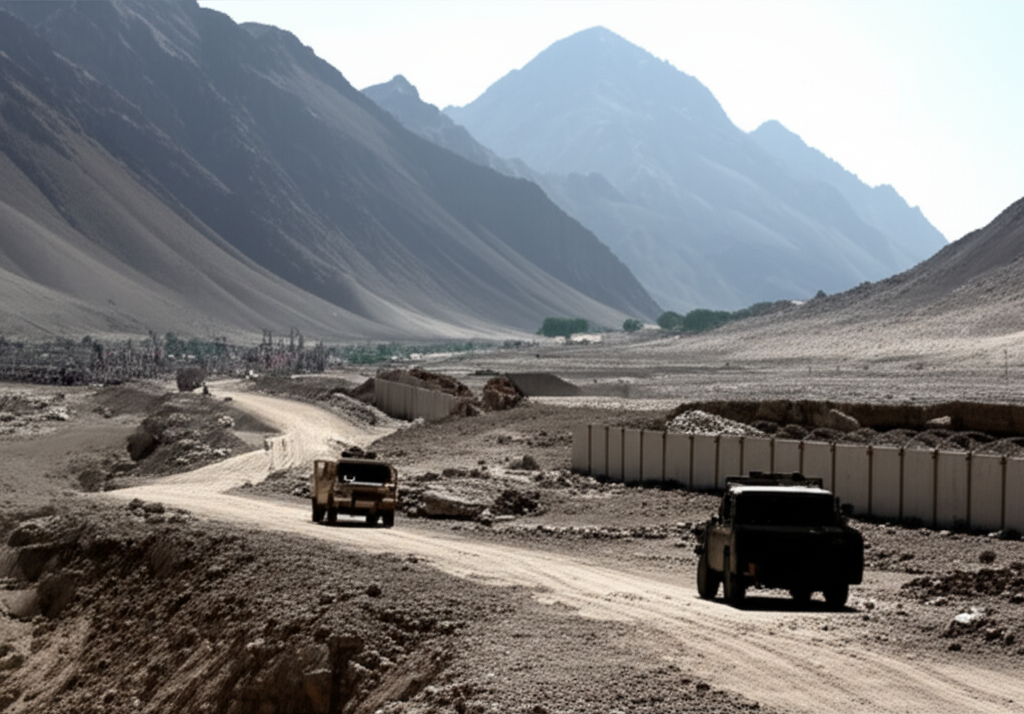
While neither government identified the precise sectors affected in the latest clashes, the frontier—commonly referred to as the Durand Line—spans rugged terrain and busy crossing points vital for trade and civilian movement. Past escalations have led to intermittent closures, disrupting commerce and stranding travelers on both sides of the border.
Conflicting narratives and unverified tolls
The disparity in casualty figures underscores the challenges of obtaining reliable information from the border zone, where independent access is limited and official statements often diverge. The Washington Post noted both sides issued starkly different accounts of the fighting and its toll. The Times of India’s updates, citing Pakistani claims, reported that the clashes resulted in the killing of 200 Taliban fighters, without specifying the duration of the operation or identifying the units involved.
Afghan authorities, for their part, asserted that dozens of Pakistani soldiers were killed, but did not release a full breakdown of casualties or provide independent corroboration. Both countries’ announcements reflected hardened positions, with no immediate indication of de-escalation measures or dialogue to reduce tensions.
Regional context and risks
Relations between Islamabad and Kabul have remained strained since the Taliban returned to power in Afghanistan in 2021. Pakistan has accused Afghan-based militants of mounting attacks into its tribal districts and border provinces. Afghan officials reject these claims and have urged Pakistan to avoid unilateral military actions near or across the frontier.
Analysts warn that continued skirmishes risk broader instability, potentially impacting trade routes, the movement of people, and humanitarian access in border communities. Any sustained escalation could also complicate regional security dynamics, drawing in local militias and heightening the risk of miscalculation.
What’s next
As of the latest reports, both sides were holding to their respective narratives, and there were no official announcements of talks to defuse the situation. With casualty claims from both Islamabad and Kabul remaining unverified, international observers will be watching for signs of further troop movements, additional exchanges of fire, or temporary closures at key crossing points that could signal a worsening confrontation.
For now, the frontier remains tense. Pakistan’s assertion—reported by the Times of India—that 200 Taliban fighters were killed, and Afghanistan’s claim—highlighted by the Washington Post—of dozens of Pakistani soldiers dead, mark one of the most serious exchanges between the neighbors in months. The absence of independent confirmation underscores the fog of conflict that often surrounds the isolated borderlands, where competing accounts can shape perceptions long before facts are fully established.